Currently NPMTI actions are organized by five crop Research Area Committees (called RACs) for corn, cotton, pulse crops, soybeans, and wheat. The RACs are supported by six cooperating operations, which work with one or more RACs to aggregate field-based research into near real-time comprehensive and coherent modeling tools to benefit farmer management decisions.
Committee members include:
Together, this group represents a broad, multi-state collaboration focused on advancing predictive tools for corn disease management.
Significant progress has been made to date. Crop risk models for tar spot, gray leaf spot, and Gibberella ear rot/deoxynivalenol (DON) have been successfully integrated into the Crop Risk Tool in collaboration with the Crop Protection Network. In 2025 alone, the tool recorded over 10,600 landing page views and more than 37,000 forecasts generated by approximately 4,800 new users, demonstrating strong stakeholder engagement. Additional accomplishments include the development of species-specific primers for detecting Phyllachora maydis, now in use at the National Agricultural Genotyping Center, and the completion of more than 150 experimental plot trials since 2005. Outreach efforts have reached over 500,000 stakeholders through field days, workshops, meetings, and online programming, with research translated into accessible resources such as the “Tar Spot Prediction in Corn: The Weather Matters” publication, which has garnered nearly 2,000 unique views.

Committee members include:
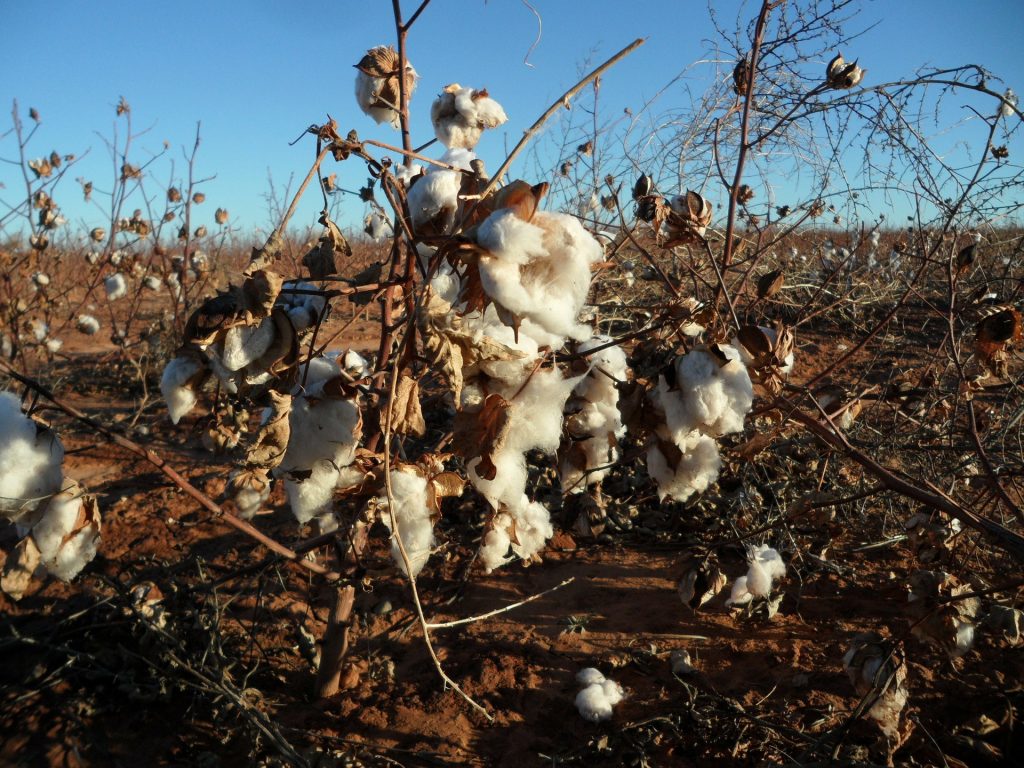
The Cotton Research Area Committee (RAC) of the NPMTI is comprised of scientific experts in plant pathology, agronomy, and entomology representing a geographic area encompassing more than 98% of US cotton acres. Members of this committee provide the primary means of scientific prioritization for the development of predictive modeling tools for disease in the Cotton Belt.
Significant progress has been made to date. The Cotton RAC has documented the re-emergence of areolate mildew and target spot through spore trapping and boots on the ground confirmation across more than nine states, underscoring the need for a coordinated regional response. To support development of robust prediction tools, the committee has established uniform protocols for disease monitoring and data collection so weather-based models can be developed and validated across the region. In addition, historic datasets have been mined to better define the contribution of seedling diseases to stand loss and disease development, providing critical inputs for cotton emergence modeling.
Committee members include:
The Pulse Root Rot Research and Coordination team brings together plant disease experts from across the northern Great Plains and Pacific Northwest. Together, this group combines university research and extension expertise with federal research capacity to address a major disease challenge facing U.S. pulse crop producers.
Root rot is one of the most damaging and difficult‑to‑manage diseases affecting pulse crops such as peas and lentils. It is caused by a group of soil‑dwelling pathogens that can limit seedling emergence, weaken plants, reduce yields, and, in severe cases, cause complete crop failure. Because these pathogens live in the soil, management decisions must be made before planting, often with limited information about disease risk.
The Pulse RAC, launched in 2023 as part of National Predictive Modeling Tool Initiative, is working to give farmers better tools to manage this risk. Our goals are to develop and validate disease risk prediction models that support practical on‑farm decisions and to improve communication and education around pulse crop disease management. To achieve this, the team is developing improved soil sampling methods, monitoring commercial fields to understand how soil pathogens, weather, and management practices affect yield, and building a coordinated Extension and outreach program to deliver research‑based information directly to growers and facilitate the adoption of a root rot risk prediction model.

Committee members include:
This multi-institutional team brings expertise in plant pathology, entomology, epidemiology, and integrated pest management across major soybean-growing regions.
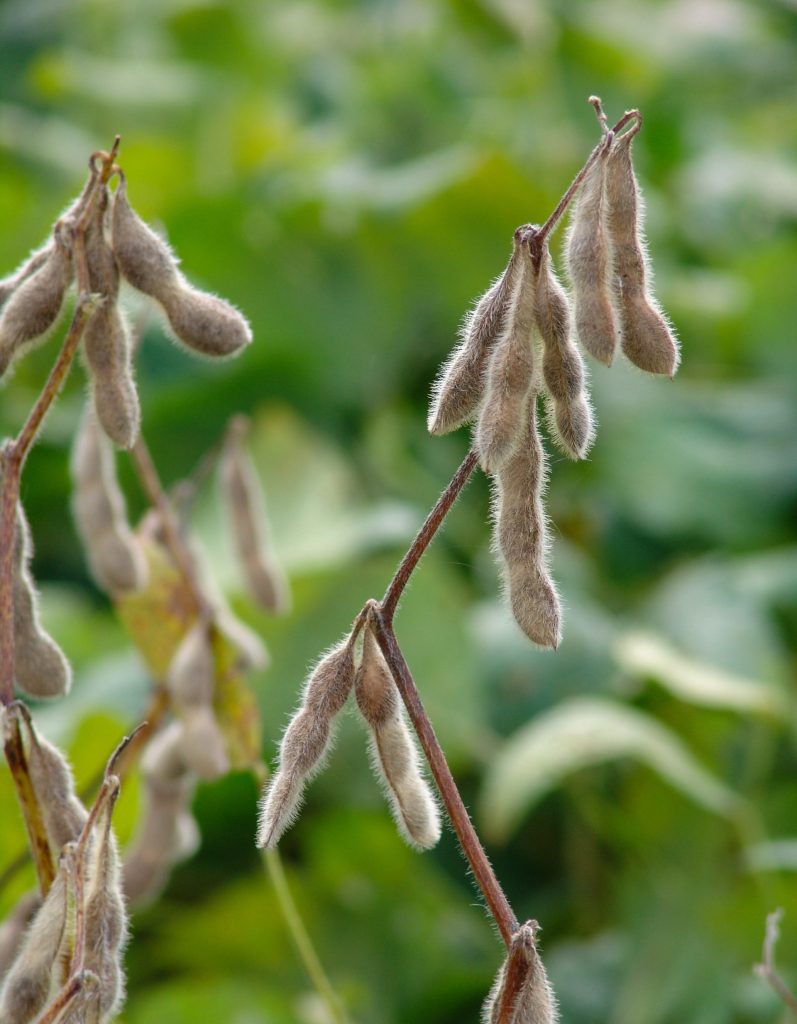
The Soybean Research Area Committee (RAC) serves as the primary scientific oversight and prioritization body for predictive modeling research on soybean diseases and insect pests within the NPMTI.
Committee members include:
Collaborator: Dr. Xianming Chen, USDA-ARS Pullman, Washington
The Wheat Research Area Committee has successfully developed a suite of models that will help us estimate the risk of multiple wheat diseases and environmental stress events that threaten wheat production in the US nearly every year. These models are based on a dataset of over 1,200 observations, which provides a rich resource for model development and testing. Key successes this past year included:


The Crop Protection Network (CPN) serves as the primary platform for delivering and operationalizing outputs from the NPMTI. It integrates disease forecasting tools with curated educational resources, enabling users to interpret risk predictions within agronomic and biological contexts. CPN’s multidisciplinary framework, spanning plant pathology, agronomy, entomology, and weed science, supports whole-system decision-making. Demonstrated impact highlights its effectiveness: in 2025, CPN reached over 172,000 users and has delivered 12,000 CCA credits, directly contributing to agricultural workforce development, capacity building, and a data-driven talent pipeline. Its extensive content library is integrated with decision-support tools, accelerating technology transfer and adoption of precision and digital agriculture. Engagement metrics, including thousands of hours of content consumption and strong digital reach, reflect sustained use. Supported by a network of over 400 specialists, CPN translates predictive modeling advances into actionable, science-based decisions that enhance productivity, strengthen economic competitiveness, and support resilient agricultural systems and national food security.
The University of Georgia Center for Invasive Species and Ecosystem Health created the Early Detection and Distribution Mapping System (EDDMapS). The National Predictive Modeling Tool Initiative (NPMTI) uses EDDMapS as the data warehouse for all pest and disease occurrence information from their Research Area Committees (RACs). EDDMapS works with each RAC to ensure that data is made available with all appropriate metadata. We also collaborate with each RAC to reduce time needed for data management, provide additional data quality controls, and to determine if new approaches can reduce the time from field data collection to availability in the data warehouse and integration with current pest and disease models. Finally, we work with modelers, data scientists, and other researchers to make sure they are aware of existing data sets and can easily access what they need.

The National Agricultural Genotyping Center (NAGC) is an ISO/IEC 17025-accredited, high-throughput, nonprofit laboratory specializing in DNA assay development and molecular diagnostics. As a core cooperator within the National Predictive Modeling Tool Initiative (NPMTI), NAGC serves as a primary testing facility for the Corn, Wheat, and Pulse Research Advisory Committees (RACs), having performed tens of thousands of tests in support of pathogen quantification in the environment, disease monitoring and confirmation to assist in pest management efforts.

The purpose of the Networking & Facilitation Office (NFO) is to act as the administrative and communication headquarters for NPMTI. The NFO operates as an independent arm of the National Agricultural Genotyping Center (NAGC), which has significant experience managing complex multi-state Initiatives.
NAGC is a producer-focused, not-for-profit, 501(c)(5) corporation that concentrates on commercializing the research of others by making scientific discoveries available to producers and their advisors.

For more than a decade, Dr. Smith’s research and extension program has linked pathogen biology to actionable disease management through the development and deployment of disease forecasting tools. He has co‑chaired the NPMTI Corn Research Area Committee and led efforts to develop and implement predictive tools for tar spot, northern corn leaf blight, gray leaf spot, and Gibberella ear rot. These tools have been deployed for stakeholder use through smartphone applications and, more recently, freely accessible online platforms. The Crop Protection Network Disease Forecasting Tool (https://cropprotectionnetwork.org/crop-disease-forecasting), released in 2025, represents the latest NPMTI‑focused user interface and leverages cloud‑based weather data to forecast disease risk across the United States. During the 2025 field season, the tool received approximately 37,000 page views from 4,800 users.

The Webster Lab at North Dakota State University is working with the Pulse, Soybean, and Corn RACs to develop predictive models for multiple crop pests. The overall goal of these RACs is to develop improved decision-support tools that can be used by farmers and agricultural professionals across the U.S. to optimize pesticide applications for pest management. Through the support of NPMTI, we have had strong success within the Corn RAC, while the Pulse RAC is still in its early stages, and the Soybean RAC is just beginning in 2026.